 Verve45 Editorial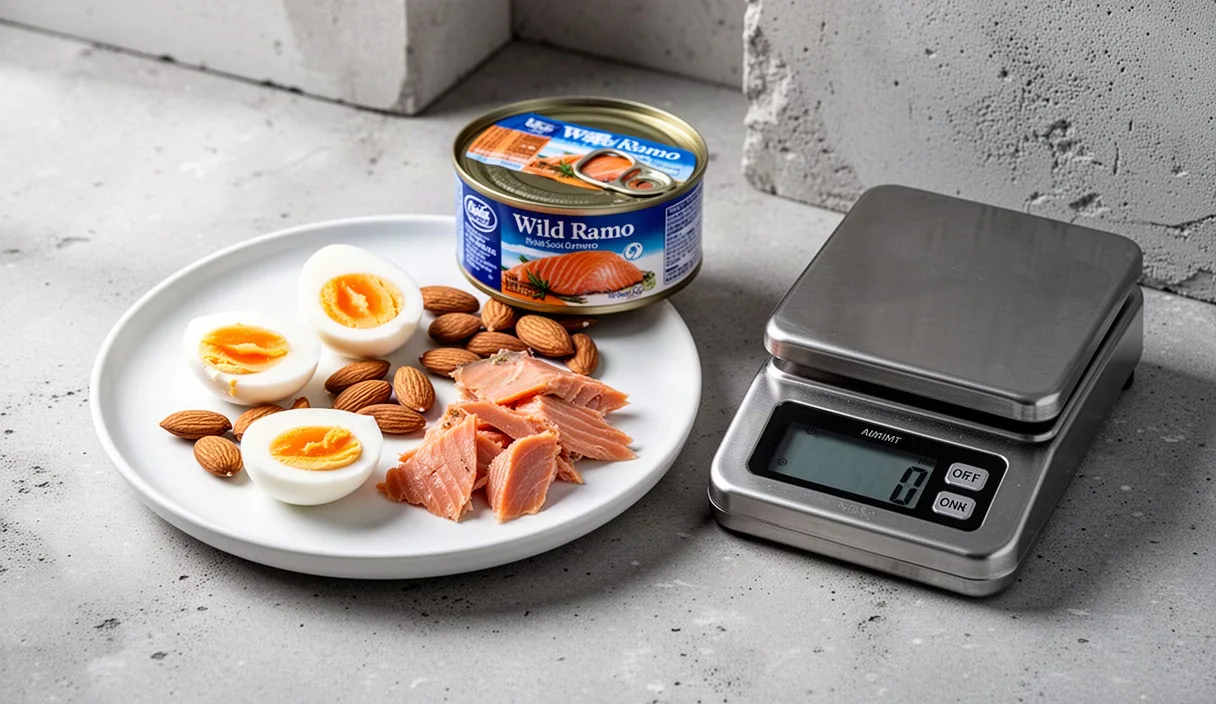
Your body handles dietary protein differently after age 45. Muscle tissue breaks down at normal rates, but the cellular machinery that rebuilds that tissue responds less to normal protein signals. When you eat the same portion of protein you ate at 25, your muscles synthesize less new tissue from those amino acids. This change reduces lean muscle mass, drops resting metabolic burn, and slows physical recovery after routine tasks or heavy lifting.
You cannot reverse this biological shift by cutting calories or relying on standard baseline dietary allowances. The baseline government standard of 0.8 grams of protein per kilogram of body weight prevents outright deficiency in sedentary young adults, but it fails to maintain skeletal muscle integrity in older adults. To keep muscle tissue functional, you must increase total daily intake, distribute that intake across regular intervals, and choose protein sources with specific amino acid densities.
Age-related sports nutrition resistance and why protein needs increase
Natural age-related changes reduce how efficiently muscle tissue utilizes dietary protein and exercise. In younger tissue, small amounts of protein trigger intracellular signaling pathways that patch micro-tears and build muscle fibers. After age 45, the cell surface receptors and internal enzymes require a stronger, more concentrated chemical signal to start that same rebuilding process. Without that stronger signal, the body draws on existing skeletal muscle reserves for systemic needs, such as immune cell production and liver function.
Clinical data shows that adults over 45 require between 1.2 and 1.6 grams of protein per kilogram of body weight per day. For an adult weighing 75 kilograms (about 165 pounds), that requirement translates to 90 to 120 grams of total protein per day. If that person engages in structured resistance training or manual labor, the target moves closer to 1.8 grams per kilogram, or 135 grams daily. Spreading this total evenly matters more than eating a massive single serving at night, because muscle tissue can only process a finite amount of amino acids during a three-hour window.
When you consume less than this threshold, your body enters a chronic state of net negative muscle balance. This state accelerates sarcopenia, which is the progressive loss of muscle mass, strength, and physical function. Sarcopenia increases joint strain, reduces functional balance, and impairs daily physical mobility. Eating sufficient protein provides the raw amino acids required to stabilize these systems.
| Body Weight | Sedentary Baseline (0.8 g/kg) | Active Over-45 Target (1.2 g/kg) | Resistance Training Target (1.6 g/kg) |
|---|---|---|---|
| 60 kg (132 lbs) | 48 grams | 72 grams | 96 grams |
| 70 kg (154 lbs) | 56 grams | 84 grams | 112 grams |
| 80 kg (176 lbs) | 64 grams | 96 grams | 128 grams |
| 90 kg (198 lbs) | 72 grams | 108 grams | 144 grams |
The leucine threshold required to activate muscle repair
Leucine is an essential branched-chain amino acid. It acts as the direct biochemical switch for muscle protein synthesis by activating the mechanistic target of rapamycin complex, known as mTOR. Other amino acids serve as the building blocks for tissue, but leucine is the chemical trigger that starts the assembly line. If a meal lacks sufficient leucine, protein synthesis remains low, regardless of the total calorie count of that meal.
Younger adults can trigger mTOR with approximately 1.8 to 2.0 grams of leucine per meal. Adults over 45 require between 2.7 and 3.2 grams of leucine in a single sitting to trigger the same cellular response. This requirement is known as the leucine threshold. If your meal contains 20 grams of protein but only 1.4 grams of leucine, your muscle cells will not initiate the repair cycle effectively. You must design each main meal around reaching this threshold.
Animal proteins contain higher concentrations of leucine by weight than unprocessed plant foods. For example, dairy products, eggs, beef, poultry, and fish deliver roughly 8 to 11 percent leucine within their total protein profiles. Most plant proteins contain between 5 and 7 percent leucine. This difference means a plant-based meal must contain a larger total volume of protein, or include isolated plant concentrates, to hit the necessary 3.0-gram leucine trigger.
- Whey protein isolate: 25 grams of protein provides roughly 2.8 to 3.1 grams of leucine.
- Cooked chicken breast: 115 grams (4 ounces) provides roughly 31 grams of protein and 2.7 grams of leucine.
- Canned tuna: 120 grams (one standard can drained) provides roughly 30 grams of protein and 2.6 grams of leucine.
- Firm tofu: 250 grams (about one cup and a half) provides roughly 24 grams of protein and 1.8 grams of leucine, requiring fortification or higher volume to reach the trigger.
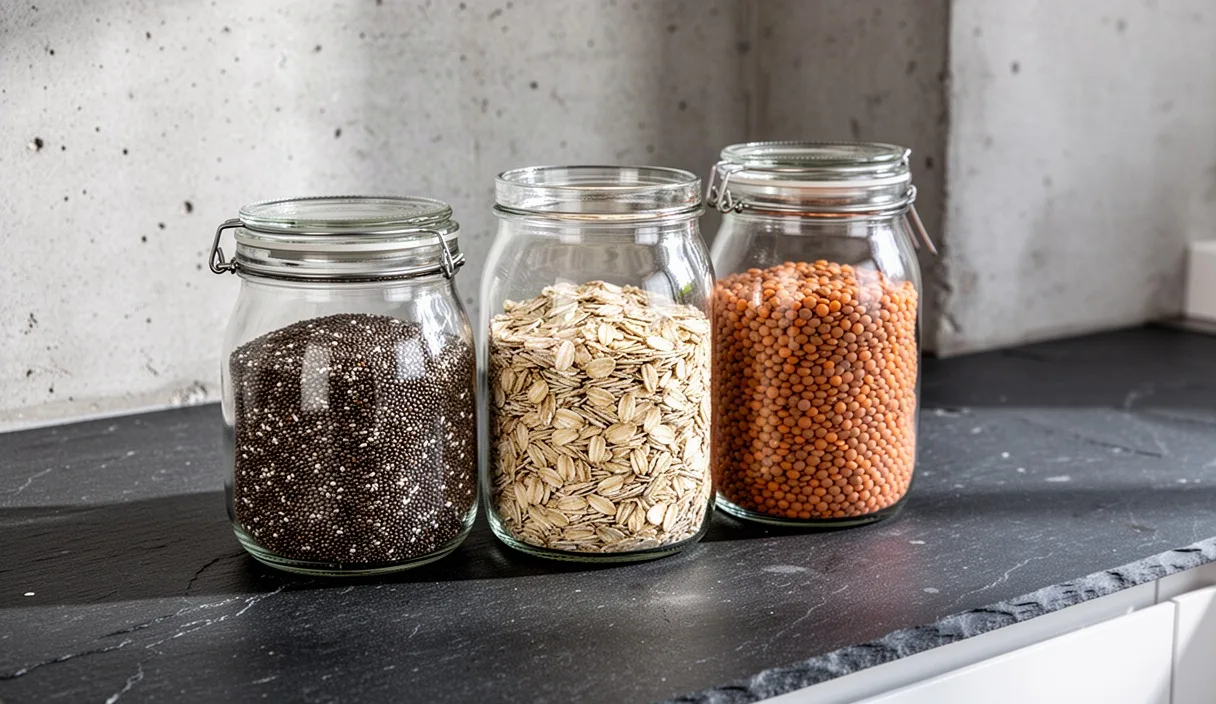
- Cooked red lentils: 200 grams (about one cup) provides roughly 18 grams of protein and 1.3 grams of leucine, requiring pairing with other concentrated sources.
Breakfast protein sources that replace standard cereal options
Traditional breakfast meals are rich in refined carbohydrates and poor in usable protein. A bowl of cornflakes with skim milk provides less than 10 grams of protein and under 0.8 grams of leucine, while spiking blood glucose levels. Toast with jam or a plain bagel produces the same outcome: high insulin response, low amino acid delivery, and no muscle protein synthesis. Shifting your breakfast from grain-dominant to protein-dominant is the most critical tactical adjustment for adults over 45.
To cross the leucine threshold before noon, your first meal should contain at least 30 to 35 grams of total protein. Whole food options provide micronutrients like choline, vitamin B12, and calcium alongside amino acids. If you prefer savory options, prepare eggs supplemented with liquid egg whites. Whole eggs provide micronutrients and fat, while added whites increase pure protein density without adding excess saturated fat.
Here are three breakfast rebuilds that deliver over 30 grams of protein and clear the 2.8-gram leucine requirement:
- Greek yogurt power bowl: Measure 225 grams (one full cup) of plain, non-fat or 2 percent Greek yogurt. This delivers 23 grams of protein. Stir in 15 grams of pumpkin seeds and 15 grams of unflavored whey or soy protein isolate. This combination yields 36 grams of total protein and 3.2 grams of leucine.
- The whole egg and egg white scramble: Crack two whole large eggs into a pan and add 120 milliliters (half a cup) of liquid egg whites. Add 30 grams of low-fat cottage cheese to the mixture at the end of cooking. This meal delivers 32 grams of protein and 2.9 grams of leucine.
- High-protein overnight oats: Mix 40 grams of rolled oats with 150 milliliters of soy milk or dairy milk, 30 grams of plant isolate or whey protein powder, and one tablespoon of chia seeds. Let it sit overnight in the refrigerator. This bowl yields 34 grams of protein and 2.8 grams of leucine.
Lunch and dinner portion guides using palm and cup measurements
Weighing food on a digital scale provides accuracy, but it can be hard to maintain during work hours or family dinners. You can use your hand as a reliable, portable portion tool. Because hand size corresponds roughly to your total frame size, your hand provides a scaled measurement of your nutrient requirements. Use your palm for dense proteins and a standard measuring cup or your cupped hand for secondary plant sources.
One palm-sized portion of dense protein matches the thickness and diameter of your palm, excluding your fingers and thumb. For most adults, one palm of raw boneless poultry, lean red meat, or fish equals roughly 85 to 115 grams (3 to 4 ounces). When cooked, this portion delivers between 22 and 28 grams of protein. Because an adult over 45 needs 30 to 40 grams of protein at lunch and dinner, a single small palm is usually insufficient. You should aim for one thick, large palm or one and a half standard palms at both meals.
For plant-based proteins, use standard metric cups or your cupped hand. Plant sources carry carbohydrates and fiber alongside protein, so volume requirements are higher. For example, one cup of cooked black beans delivers 15 grams of protein. To reach 30 grams solely from beans, you would need two full cups, which delivers over 80 grams of carbohydrates. Combine legumes with concentrated sources like tempeh or seitan to manage meal volume while hitting protein targets.
| Food Source | Portion Size (Hand or Cup) | Estimated Protein Yield | Estimated Leucine Yield |
|---|---|---|---|
| Skinless Chicken Breast | 1 thick palm (120 g cooked) | 33 grams | 2.9 grams |
| Atlantic Salmon Fillet | 1 large palm (140 g cooked) | 30 grams | 2.4 grams |
| Extra Firm Tempeh | 1 palm-sized block (140 g) | 26 grams | 2.1 grams |
| Low-Fat Cottage Cheese | 1 level cup (225 g) | 28 grams | 2.7 grams |
| Cooked Edamame | 1.5 cups (230 g) | 26 grams | 2.0 grams |
| Ground Turkey (93% lean) | 1 thick palm (125 g cooked) | 32 grams | 2.6 grams |
To assemble a balanced dinner plate, follow this structural template. Fill one half of your plate with non-starchy vegetables such as broccoli, spinach, or asparagus for fiber and micronutrients. Fill one quarter of the plate with your measured palm-and-a-half portion of dense protein. Fill the remaining quarter of the plate with complex carbohydrates such as roasted potatoes, brown rice, or lentils. Add one thumb-sized portion of healthy fats, such as olive oil or avocado, to complete the meal.
Supplement safety considerations for plain whey and plant isolates
Protein powders are processed food products designed to provide concentrated amino acids without excess carbohydrates or fats. They are not meal replacements, but tools to help you hit daily intake goals when whole foods are inconvenient. For adults over 45, plain whey protein isolate and plant protein isolates (such as pea, rice, or soy) are the two most practical supplemental formats.
Whey protein isolate undergoes filtration to remove almost all lactose, fat, and carbohydrates. This makes it suitable for individuals with mild lactose sensitivity, though people with diagnosed milk protein allergies must avoid it. Whey isolate digests quickly, causing a sharp spike in blood amino acid levels, which is useful for activating muscle protein synthesis immediately after physical exercise. Plant isolates, particularly blends combining pea and rice protein, offer a complete amino acid profile that closely mirrors dairy protein, making them an effective option for vegetarians or people with dairy sensitivities.
Read the ingredient list carefully before purchasing any supplement. Avoid products with proprietary blends, added sugars, artificial fillers, or unnecessary stimulants. Look for third-party testing certifications on the container label, such as NSF Certified for Sport or Informed-Choice. These independent seals confirm that the powder contains the listed ingredients and has been tested for heavy metals, undeclared pharmaceutical ingredients, and industrial contaminants.
Supplemental protein increases total nitrogen processing demands in the body. If you have healthy kidneys, a high-protein diet does not damage renal function. However, if you have pre-existing kidney disease, impaired renal clearance, or a low glomerular filtration rate, high protein intake can worsen these conditions. Anyone with diagnosed metabolic or kidney abnormalities must consult a nephrologist or registered dietitian before increasing their daily protein intake or adding concentrated isolates.
Common mistakes
The most frequent error is backloading protein intake into the evening meal. Many adults consume 10 grams of protein at breakfast, 15 grams at lunch, and 65 grams at dinner. While the total reaches 90 grams, this pattern only triggers muscle protein synthesis once during the day, at dinner. The breakfast and lunch portions fail to cross the leucine threshold, leaving muscle tissue in an idle state for roughly 18 hours of the day.
Another error is relying on whole nuts and peanut butter as primary protein sources. Two tablespoons of peanut butter contain approximately 8 grams of protein alongside 16 grams of fat and nearly 190 calories. To obtain 32 grams of protein from peanut butter, you must consume eight tablespoons, which adds roughly 760 calories to your daily total. Nuts and seeds are healthy fat sources, not primary protein anchors.
Finally, many people consume protein drinks without tracking their fluid intake. The body breaks down protein into urea, which requires water for kidney filtration and excretion. Increasing dietary protein without increasing fluid intake leads to dehydration, hard stools, and gastrointestinal distress. When you increase your protein intake, add at least 500 milliliters of water to your baseline daily consumption.
Practical next steps
Begin by calculating your daily protein requirement using your actual body weight. Take your weight in kilograms and multiply it by 1.3 to establish a manageable baseline. Divide that target number evenly across three meals, aiming for at least 30 to 35 grams of protein per meal. If your target is 105 grams per day, structure your meals to deliver 35 grams at breakfast, 35 grams at lunch, and 35 grams at dinner.
Next, audit your pantry and adjust your grocery purchases for the week. Replace low-protein breakfast cereals, pastries, and bread with plain Greek yogurt, large eggs, carton egg whites, or high-protein isolates. Buy a reliable kitchen scale or practice visualizing palm-sized portions using chicken breasts and fish fillets. Prepare your lunches in advance to prevent relying on convenience foods that rarely provide more than 15 grams of protein.
Keep a detailed dietary log for five consecutive days using a journal or tracking application. Record the exact protein content of each meal and check whether every serving crosses the 2.8-gram leucine threshold. If your blood work shows elevated creatinine levels or an impaired estimated glomerular filtration rate, schedule an appointment with your physician or a metabolic dietitian to adjust these targets to your clinical baseline.